

Photo systems for outdoor sites and viewpoints
We design photo points outdoors and at venues with viewpoints. We tailor the installation format, framing and operating arrangements to the location. The scenario below illustrates the possibilities of a freestanding totem; huts and containers are designed individually.
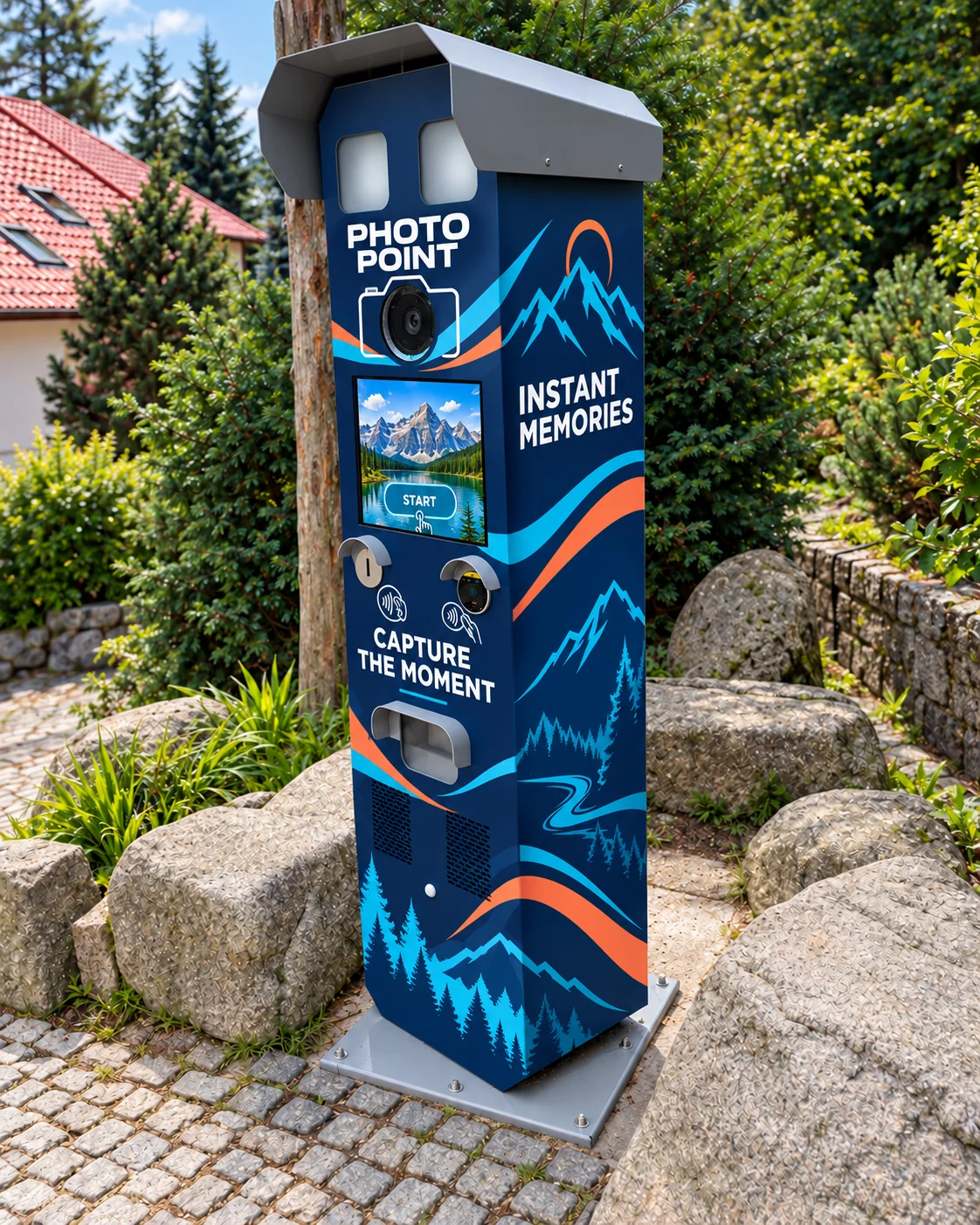
Outdoor totem
A freestanding totem creates a photo point in an open space. We tailor the camera position and framing to the surroundings and where guests stand.
Wooden hut
The installation can take the form of a wooden hut. We develop its appearance, layout and equipment for the particular location and scenario.
Photo container
We can also house the photographic system in a container. Interior layout and guest service are included in the bespoke design.
Touch to start and choose a language
In the described totem scenario, guests start the session by touching the screen, then choose the interface language.
Digital photo price
Before the photo is taken, guests see the digital photo price. Starting payment leads to a choice of payment method.
Coins or contactless card
Guests choose payment by coins or contactless card. After successful payment, the system moves to the live preview.
Preview and countdown
The live preview helps guests prepare for the photo. The system counts down from 10 to 0, then takes the photograph.
Approve or try again
After the photo is taken, guests see a preview. They can approve it or repeat the session, with up to 3 attempts available.
Choose a frame
After approving the photo, guests choose a frame. Confirming it leads to the final screen with the photograph.
Digital photo via QR
The final screen displays a QR code linking to the digital photo. Guests can collect their souvenir on their phone.
Optional prints
On the final screen, guests can also purchase 1, 2 or 4 prints. More copies mean a better price.
Separate payment for printing
Purchasing prints opens another payment method selection and payment step. Once payment is confirmed, the photo is sent to the printer.
Ending the session
Guests can end the session using a button. The session also times out after 60 seconds and returns to the first step.
Year-round operation
The described totem can operate all year round without a canopy. We tailor the structure and equipment to the conditions at the particular location.
A canopy for comfort
The totem can be fitted with a canopy. This makes it easier to use the photo point and take photos during rainfall.
Heating the electronics
For year-round outdoor installations, we select heaters and thermostats to suit the enclosure and environmental conditions.
Cooling and ventilation
Air circulation helps remove heat from inside the equipment. We select ventilation to suit the structure and operating location.
Power and connectivity
The project defines the power supply and connectivity requirements. We consider the installation location and the planned use of photos.
Remote monitoring
Telemetry can provide information about sales, printer media and temperatures. The information available depends on the installation's equipment and software.
Access for operation and servicing
We allow for access to the unit and its equipment in the design. Servicing and media replenishment arrangements are agreed for each installation.
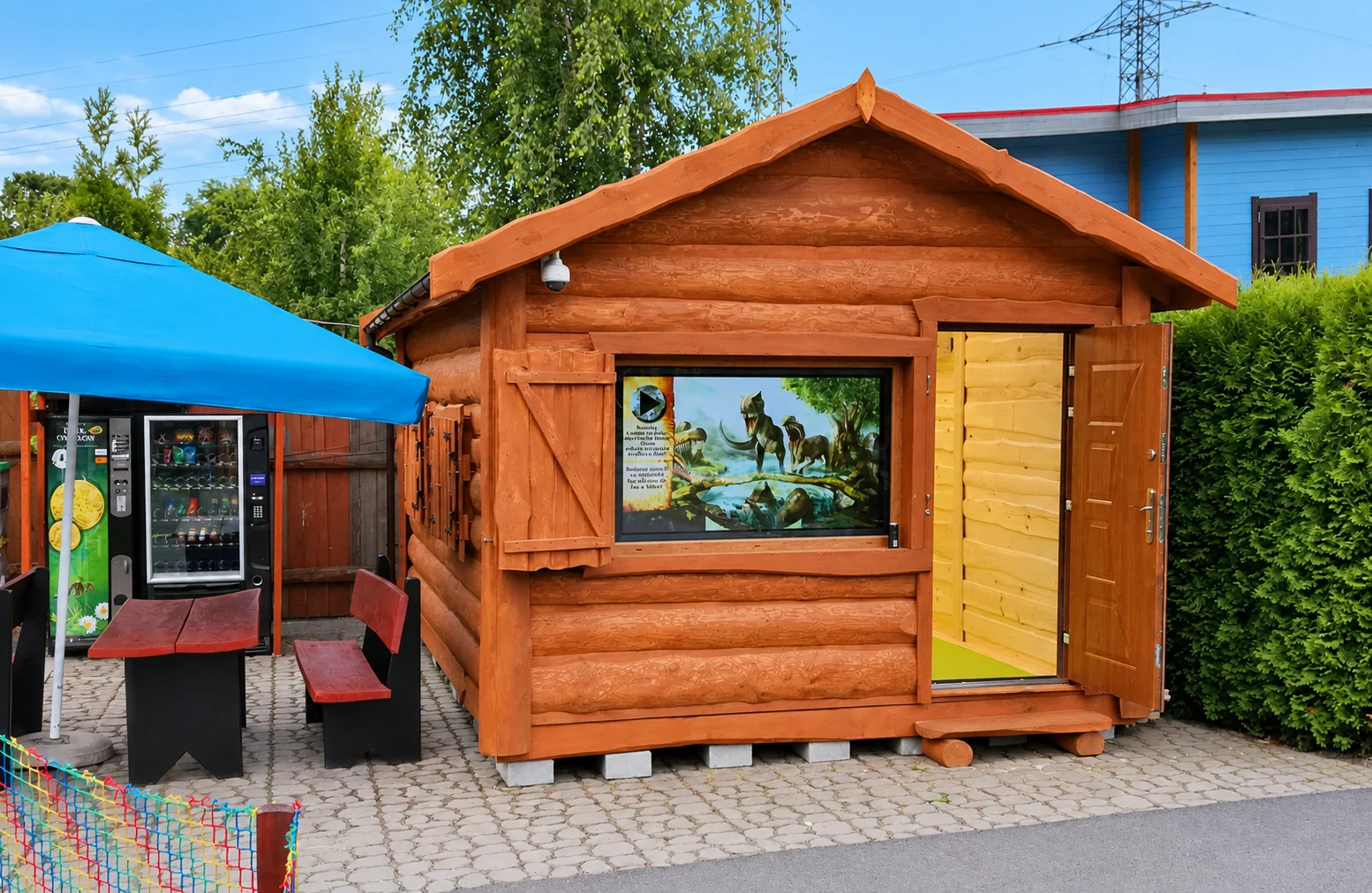
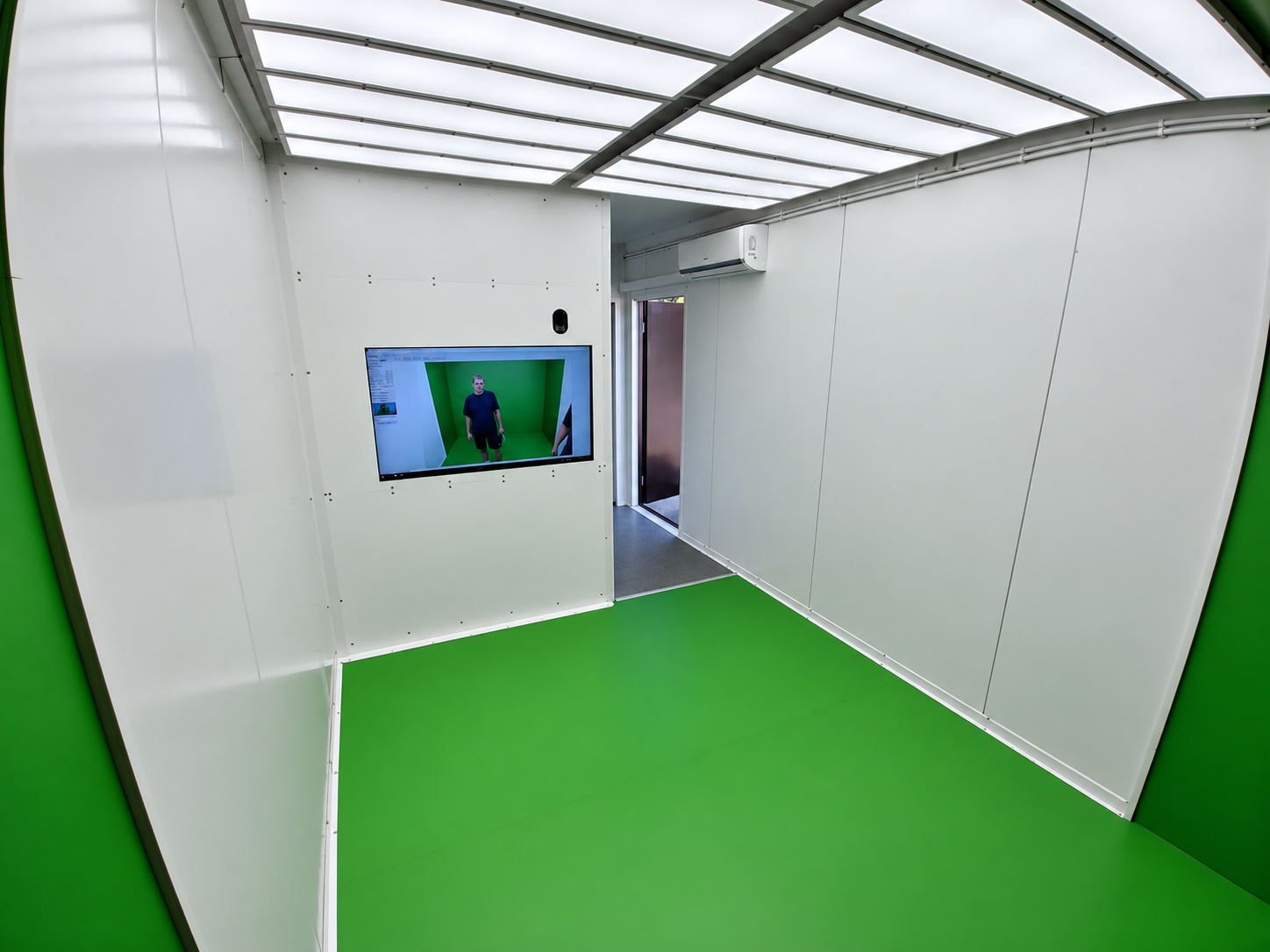
Example: Wang totem, Karpacz
The Wang totem in Karpacz is an example of a freestanding installation. It demonstrates a photo point operating outdoors without a canopy.
Wang photo totem in Karpacz.